Seine-et-Marne, Île-de-France, France
Moret-sur-Loing
A fortified medieval town on the Loing at the edge of the Fontainebleau forest, painted repeatedly by Alfred Sisley and home to a barley sugar made by nuns since 1638.
Plan your visit
Getting there & how long to stay
Travel time
~45 min from Paris
Getting there
Direct train
Suggested time
Half day, or a full day combined with Fontainebleau
The travel details on this page were checked against official tourism, attraction and restaurant websites on 21 September 2026.
Check these specific details before you go
- Whether the Musée du Sucre d’Orge in the Moulin Provencher has reopened
- Current seasonal opening hours of the sucre d’orge boutique on the Place Royale
- Visiting hours for the Église Notre-Dame-de-la-Nativité, which are not published online
- Exact train times on Transilien line R for your date
- Bus 203 and 208 timetables from the Veneux-les-Sablons station exit
- Opening days and prices for L’Eski, La Palette, Le Bistrot du Loing and Au Moulin de Flagy
About Moret-sur-Loing
Moret-sur-Loing — today part of the commune of Moret-Loing-et-Orvanne — sits where the Loing meets the edge of the Fontainebleau forest, about 75 km south-east of Paris. It was a royal and frontier town: under Philippe Auguste the Porte de Bourgogne marked the boundary between the kingdom of France and Burgundy, and more than a kilometre of ramparts, two monumental gates and a Gothic church survive inside a town you can cross on foot in fifteen minutes. The Impressionist painter Alfred Sisley spent the last years of his life here and painted the bridge, the mills and the church over and over; stand on the far bank of the Loing and the compositions are still recognisable. The tourist office notes the town was voted the most beautiful commune in Île-de-France in a 2019 France Bleu listener poll.
Why visit
This is the gentlest of the classic Paris day trips: a direct train from Gare de Lyon, a short walk, and then a town small enough to wander without a plan. You come for the two medieval gates, the riverside path along the Loing with its mills and weirs, the Sisley views, and a barley sugar recipe that Benedictine nuns have been making here since 1638. It pairs naturally with Fontainebleau — one bus links the two.
Highlights & attractions
Porte de Samois
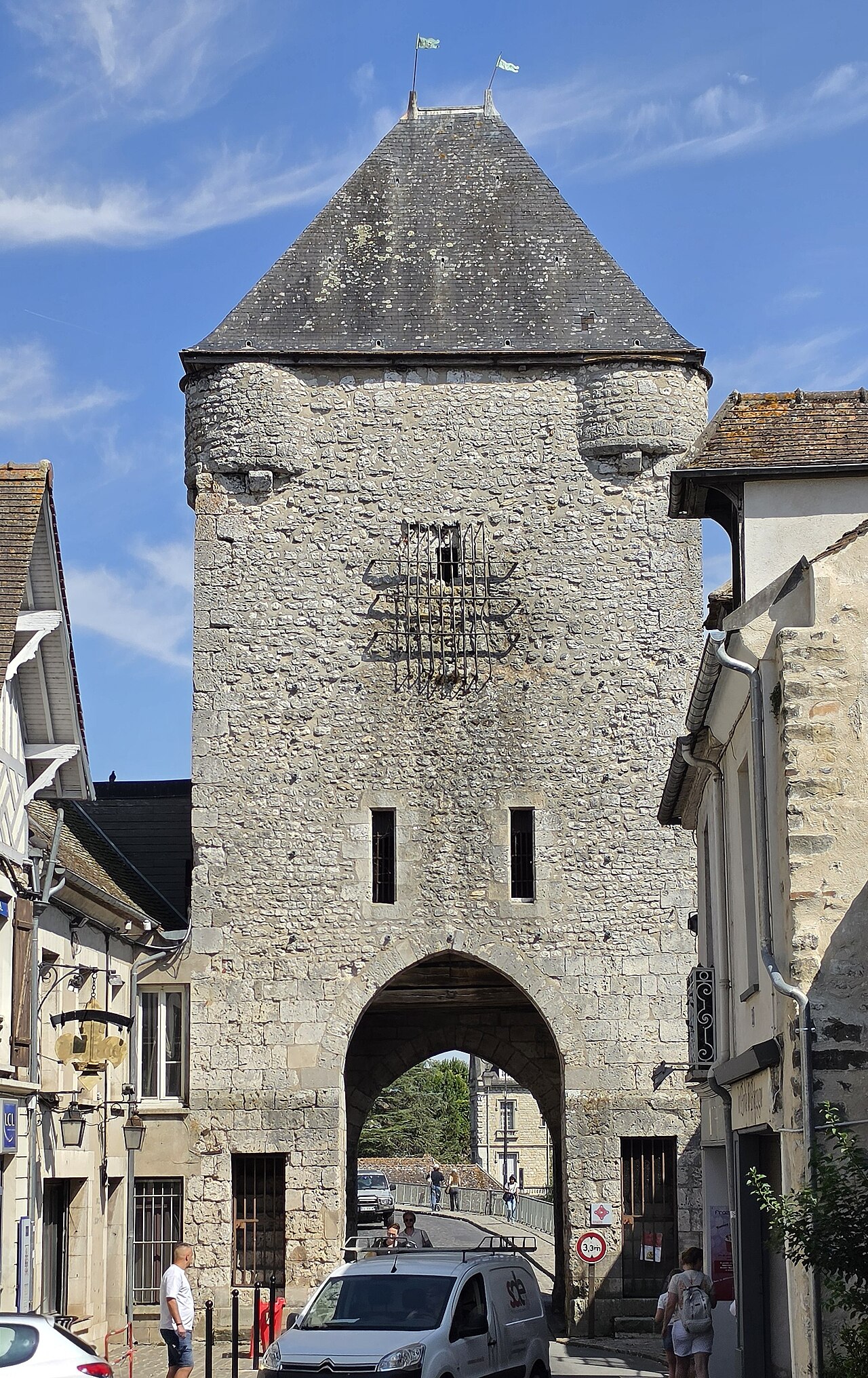
The 15th-century western gate, once the Porte de Paris: a square tower flanked by buttresses topped with corbelled turrets, pierced by two round arches where the portcullis once dropped.
Official sitePorte de Bourgogne
The eastern gate, built under Philippe Auguste when Moret stood on the frontier between the kingdom of France and Burgundy.
Official siteÉglise Notre-Dame-de-la-Nativité
A Gothic church built across two centuries, with an apse inspired by Notre-Dame de Paris and a mid-13th-century rose window.
Official siteThe Loing bridge and mills
The bridge, the weir and the island mills are the views Sisley painted most often, and the best vantage point is from the far bank looking back at the town.
Official sitePlace Royale and the ramparts
The central square of the old town, with surviving stretches of the 1,356 metres of medieval walls and Renaissance façades along the rue Grande.
Official siteSucre d'orge des religieuses de Moret
Barley sugar made to a recipe created by Benedictine nuns in 1638, sold at the boutique on the Place Royale. The small museum in the Moulin Provencher on the rue du Pont has been listed as temporarily closed — check before you count on it.
Official siteAlfred Sisley's town
Sisley lived his last years in Moret and is buried here. The house and grave can be seen in town; there is no museum visit attached, so ask at the tourist office for the walking route between the painting spots.
Official siteThe Loing towpath
A flat riverside path running towards Saint-Mammès, the bargemen's village at the confluence with the Seine — easy walking or cycling, and canoe hire is available locally in season.
Official site
Suggested itinerary
10:00
Arrive at Moret-Veneux-les-Sablons station after about 45 minutes on Transilien line R from Gare de Lyon, then walk the 1.5 km into Moret, around 15-20 minutes, or take bus 203 or 208 from the Veneux-les-Sablons exit.
10:25
Enter the old town through the Porte de Samois and walk the rue Grande past the Renaissance façades.
10:50
Visit the Église Notre-Dame-de-la-Nativité, then continue to the Porte de Bourgogne.
11:30
Cross the bridge and walk the far bank of the Loing for the Sisley views of the mills, the weir and the church tower.
12:30
Lunch in the old town or on a terrace by the river.
14:00
Buy sucre d'orge at the boutique on the Place Royale and browse the shops along the rue Grande.
15:00
Walk or cycle the towpath towards Saint-Mammès, or take a canoe out on the Loing.
17:00
Walk back to the station, or take bus 208 on to Fontainebleau if you are extending the day.
How to get there from Paris
By train: take Transilien line R from Paris Gare de Lyon to Moret-Veneux-les-Sablons. The journey takes 45 minutes, with trains roughly every 30 minutes. The station is not in Moret; it is in Veneux-les-Sablons. From the station, walk 1.5 km into Moret, about 15-20 minutes, or leave by the Veneux-les-Sablons exit and take bus 203 or 208. The old €5 point-to-point fare was abolished on 1 January 2025. A single Métro-Train-RER ticket costs €2.55 in 2026 and covers any journey within Île-de-France, including Moret. Combining with Fontainebleau: bus line 208 links the two — Place de Samois for Moret and Cour des Adieux for the château. By car: the tourist office says less than an hour from Paris via the A6, leaving at the Fontainebleau exit on the way out, and at Marolles-sur-Seine via the A5 on the way back. No official source publishes a precise drive time.
Timetables and fares change: always confirm on the operator's official site before travelling.
Restaurants & local food
Lunch here is a small-town affair: a handful of restaurants along the rue Grande and by the bridge, plus crêperies and tea rooms. Weekends are busy and several places close on Mondays, so book ahead if you are arriving with a fixed timetable.
La Maison des Arts
Traditional French, restaurant and tea room · Sample published dishes: plateau des arts €28.50, chicken des arts €15.50
15 rue Grande, in the listed Maison Raccolet
Set in a historic listed house on the main street, serving traditional plates and cakes through the afternoon.
Official websiteLa Poterne
Crêperie, Breton galettes · Prices not published online
1 rue du Pont du Loing
Galettes and crêpes with a terrace by the ramparts and the bridge — the easiest lunch stop on the riverside walk. The restaurant recommends booking, especially at weekends.
Official websiteL'Eski
Traditional French and Savoyard · Prices not published online
Moret-sur-Loing old town
Listed by the tourist office; French classics alongside Savoyard cheese dishes — good in cold weather.
Official websiteLa Palette
Traditional French · Prices not published online
Moret-sur-Loing old town
A traditional restaurant in the old town, listed in the tourist office's official where-to-eat directory.
Official websiteLe Bistrot du Loing
Bistro · Prices not published online
Moret-sur-Loing
A bistro listed in the tourist office directory; confirm opening days before making it your plan.
Official websiteAu Moulin de Flagy
Traditional French · Prices not published online
Flagy, a short drive from Moret
A restaurant in a former mill in the nearby village of Flagy, listed by the tourist office — worth the detour if you have a car.
Official website
Menus, prices and closing days change — we link each restaurant's own website so you can confirm before you set off. We do not take payment from any restaurant listed here.
Local specialities
The sucre d'orge des religieuses de Moret is the town's emblem — a clear barley sugar made to a recipe created by Benedictine nuns in 1638, sold in sticks and boxed drops at the boutique on the Place Royale. The surrounding Seine-et-Marne countryside supplies Brie de Meaux and Brie de Melun.
Practical travel tips
Moret is small: allow half a day for the town itself and a full day if you add the towpath, a canoe outing or Fontainebleau. A single Métro-Train-RER ticket costs €2.55 in 2026 and covers the journey within Île-de-France. The old €5 point-to-point fare was abolished on 1 January 2025. Moret-Veneux-les-Sablons station is in Veneux-les-Sablons, not Moret. The centre is a 1.5 km walk of 15-20 minutes, or take bus 203 or 208 from the Veneux-les-Sablons exit. The tourist office is the place to pick up the Sisley walking route — the painting spots are marked around town and there is no museum to visit, so the route is what makes the connection. Very little here is step-free in the medieval sense: cobbles, the slope down to the river and the bridge approach all involve uneven ground. Sundays and Mondays are quiet, with several shops and restaurants closed. Market day and church visiting hours are worth confirming with the tourist office if they matter to your plan.
Parking & arriving by car
The tourist office states that parking is free and unlimited in and around Moret-sur-Loing, with the exception of the station car park. Blue zones in the centre limit stays to 90 minutes, so bring a parking disc if you are leaving the car near the Place Royale for the day.
Seasonal considerations
Spring and early autumn are the best times for the riverside walk and the Sisley views, when the Loing is high and the light is low. Canoe hire and boat outings operate in the warmer months only. The sucre d'orge boutique on the Place Royale changes its hours four times a year — broadly longer afternoons from May to October, shorter ones and Sunday closing in winter. The small barley sugar museum in the Moulin Provencher has been listed as temporarily closed. Winter visits are still rewarding for the gates, the church and the ramparts, but expect a very quiet town and reduced restaurant opening.
Sources
- https://www.msl-tourisme.fr/en/discover-moret-seine-loing/history-heritage/msl-distillation-french-history/open-the-door-to-history.html
- https://www.transilien.com/fr/page-lignes/ligne-r
- https://lamaisondesartsmoret.fr/
- https://commons.wikimedia.org/wiki/File:PortedeBourgogne.jpg
- https://moretloingetorvanne.fr/moret-loing-et-orvanne/patrimoine/moret-sur-loing/porte-de-samois/
- https://creperie-la-poterne.fr/
- https://www.msl-tourisme.fr/en/prepare-your-trip/where-to-eat.html
- https://moretloingetorvanne.fr/moret-loing-et-orvanne/patrimoine/moret-sur-loing/eglise-notre-dame-de-la-nativite/
- https://www.msl-tourisme.fr/en/prepare-your-trip/come-and-get-around.html
Keep exploring
Similar destinations
Eure, Normandy
Giverny
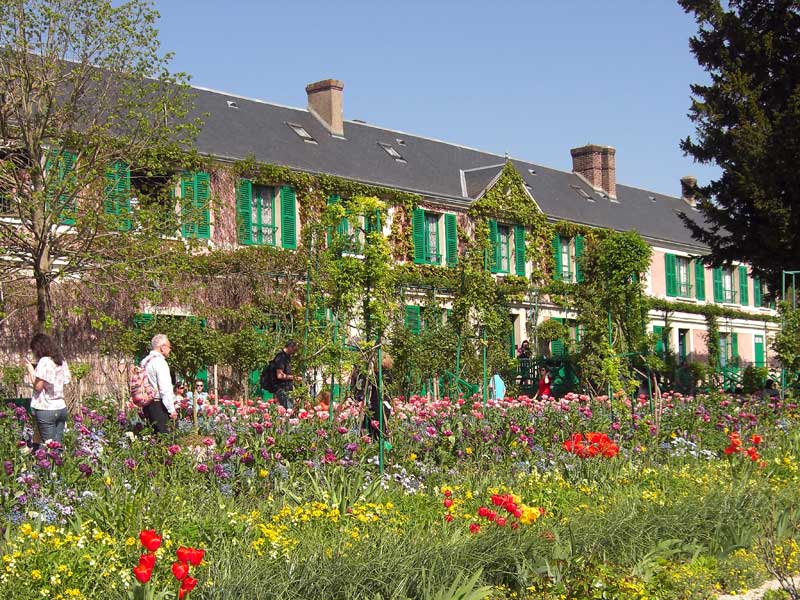
The Normandy village where Claude Monet lived from 1883 to 1926 — his pink house, the Clos Normand flower garden and the water-lily pond, plus an Impressionism museum, 45-50 minutes by train from Paris Saint-Lazare.
- Travel time
- ~1h 15m from Paris
- Transport
- Train plus seasonal shuttle
Oise, Hauts-de-France
Senlis
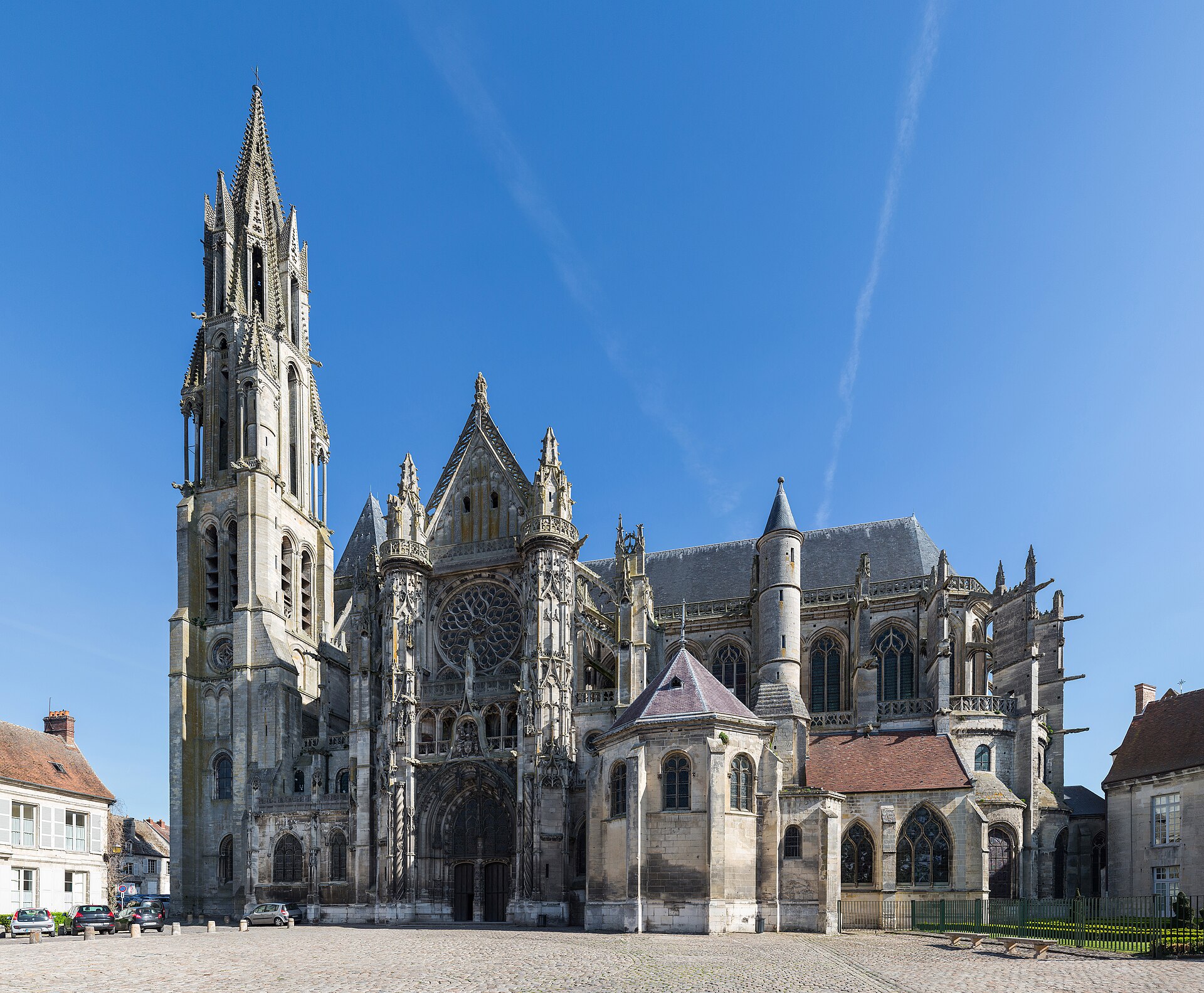
A royal and medieval town 45 km north of Paris, with an early Gothic cathedral, Gallo-Roman walls, cobbled streets used constantly as film sets, and Chantilly next door.
- Travel time
- ~1h 10m from Paris
- Transport
- Train, then bus
Seine-et-Marne, Île-de-France
Provins
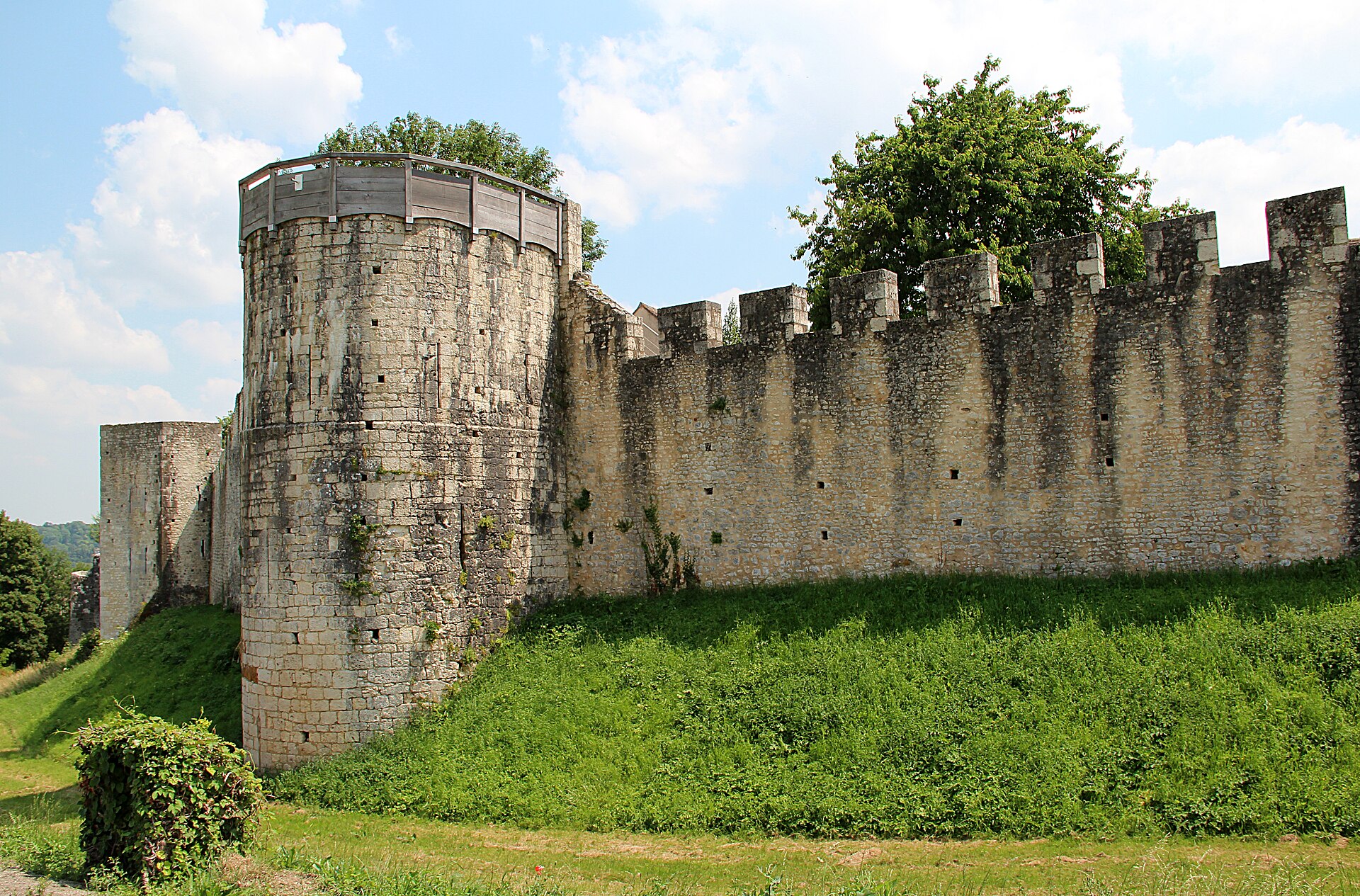
A UNESCO-listed medieval walled city 80 km south-east of Paris, with a 12th-century keep, walkable ramparts, underground galleries and daily equestrian and falconry shows in season.
- Travel time
- ~1h 20m from Paris
- Transport
- Direct train
Discover More of France
New destinations and seasonal ideas, occasionally.