Historic city guide by G.L. Cooper
Budapest: Two Cities, One River
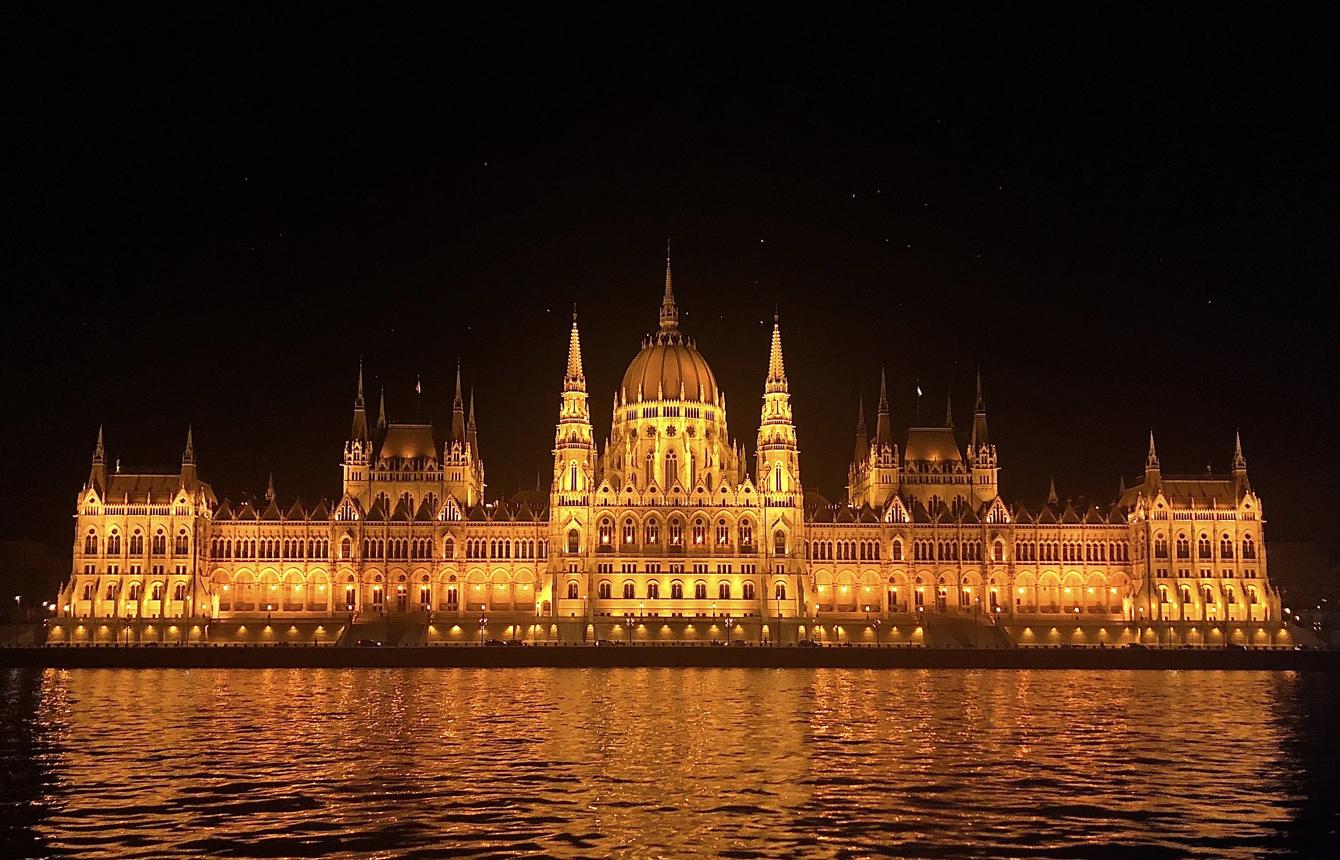
Castles on one bank, grand boulevards on the other, and the Danube glowing gold between them.
Photo: G.L. Cooper
Budapest was once three towns: hilly, historic Buda on the west bank, and flat, lively Pest (with old Óbuda) on the east. They joined in 1873, and the city still feels like two personalities sharing one river. Spend your mornings climbing castle lanes, your afternoons soaking in century-old thermal baths, and your evenings watching the Parliament light up from the water.
It is also one of Europe’s best-value capitals. Transport is cheap, the food is hearty, and many of the best views cost nothing at all.
Know Before You Go
Currency: Hungary uses the forint (HUF or Ft), not the euro. Cards are accepted almost everywhere. If a card machine or ATM asks, always choose to pay in HUF, not your home currency.
From the airport: The 100E Airport Express bus runs 24 hours to Deák Ferenc tér in about 40 minutes. It needs its own ticket (2,500 HUF); regular passes and the Budapest Card do not cover it. You can tap your bank card on board to buy one.
Getting around: One ticket system covers the metro, trams, buses and HÉV trains. A single ticket is 500 HUF, a 24-hour pass 2,500 HUF and a 72-hour pass 5,500 HUF. The free BudapestGO app sells tickets and plans routes. Validate paper tickets before you ride; inspectors are common.
Taxis: Use Bolt, Uber, Főtaxi or City Taxi. Fares are metered at a city-set rate.
Best time to go: April to June and September to October for mild weather and fewer crowds. December brings Christmas markets; July and August are hot and busy.
Budapest Card: About 29,990 HUF for 72 hours, covering transport and many museums. Worth it only if you plan two or three paid sights a day.
Budapest guide
Explore the sections
Prices and opening hours checked September 2026. Confirm with official sites before you travel.